

Ultimate RV Camping Guide for Beginners
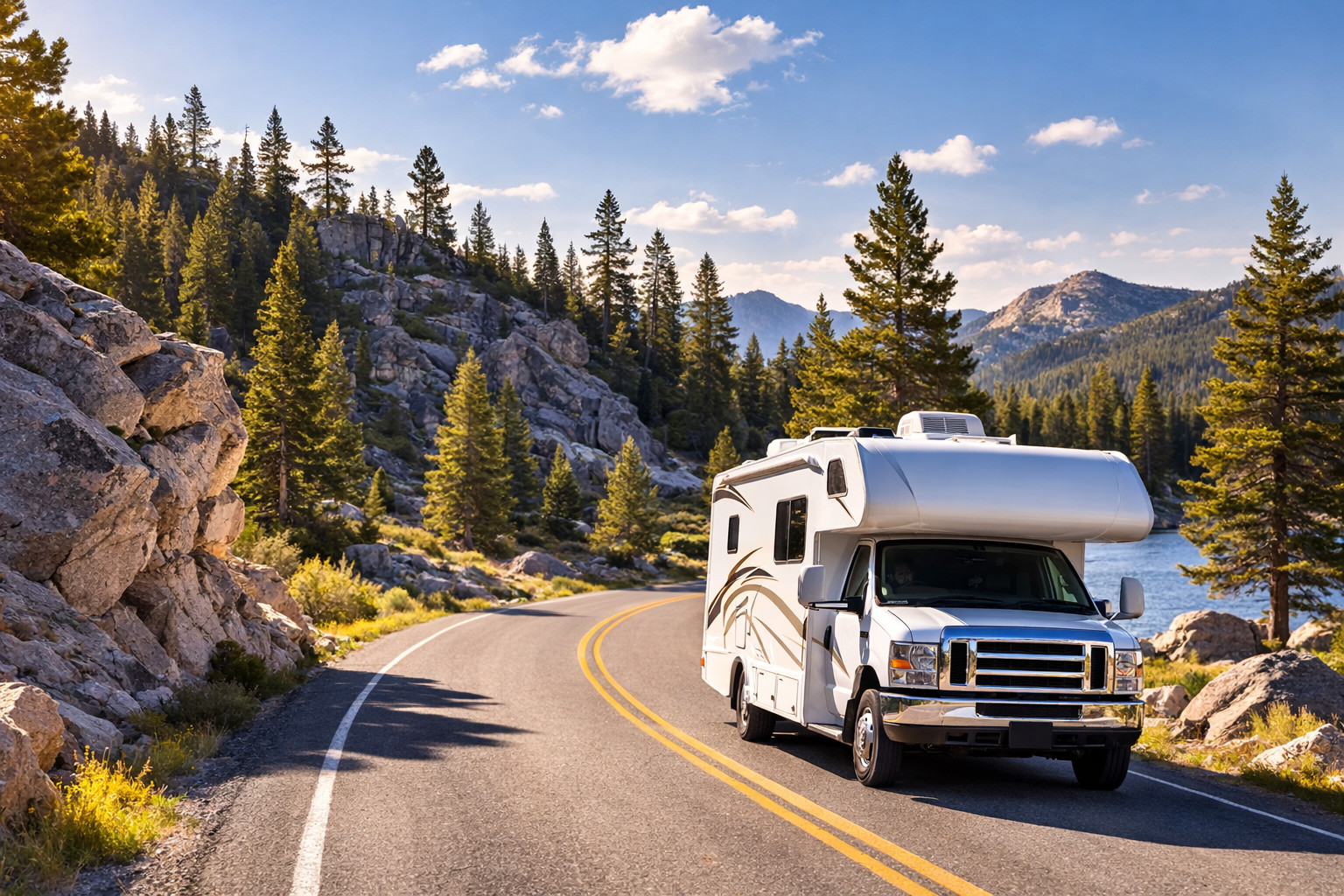
Welcome to the exciting world of RV camping! If you’re new to this lifestyle, you’re in for a treat. RVing lets you hit the open road with all the comforts of home right at your fingertips. No more stressing over flight delays, pricey hotels, or hunting for restaurants. Your mobile haven has everything you need. It’s the perfect way to embark on epic road trips, explore national parks, or just unwind in nature. Whether you’re dreaming of scenic drives along the coast or cozy nights under the stars, this guide is tailored for total newbies like you. We’ll walk you through the basics, share insider tips, and help you avoid common pitfalls. And if you’re gearing up for your adventure, swing by our catalog for handy camper accessories that make life on the road even smoother.
Choosing and Renting Your First RV
Dipping your toes into RV camping? Starting with a rental is a smart move. It lets you test the waters without a big commitment. Rentals come in all shapes and sizes, from compact camper vans ideal for solo travelers to spacious motorhomes perfect for families.
Here’s how the rental process typically unfolds: You’ll browse options online or through apps, picking based on your group size, budget, and travel plans. Expect to provide a driver’s license, proof of insurance, and sometimes a security deposit. Rentals often include basics like kitchenware, but always confirm what’s provided.
Key RV types to consider:
- Class A Motorhomes: These are the big rigs, like luxury buses. Great for long trips but can be intimidating for new drivers.
- Class B Camper Vans: Compact and easy to maneuver, like a souped-up van with sleeping and cooking areas.
- Class C Motorhomes: A happy medium. Van-like front with an overhanging sleeping area. Drives like a truck and offers more space.
- Travel Trailers: Towable options that hook up to your vehicle. Affordable and versatile, but require towing skills.
Pro tip: Check for restrictions on where you can go, like avoiding rough dirt roads. Many providers offer nationwide travel in the U.S. and sometimes Canada, but international borders might be off-limits. If towing a car behind your RV appeals to you (for easier day trips), ask about hitch setups. Some rentals charge extra.

Before driving off, get a thorough walkthrough. Learn the basics: starting the engine, adjusting mirrors, and handling turns. If breakdowns worry you, rest easy. Most rentals include 24/7 roadside help. For accessories to customize your rental, like storage organizers or bedding upgrades, explore Layers for Life for practical add-ons.
Essential RV Driving and Operation Skills
Feeling nervous about piloting a big vehicle? Don’t sweat it. Many RVs handle similarly to a large SUV or truck, especially Class C models. The key is practice and patience.
Start with the fundamentals:
- Driving Tips: RVs are taller, wider, and heavier, so allow extra space for braking and turning. Watch your height clearance for bridges and trees. Note your RV’s dimensions. Use mirrors extensively and consider adding backup cameras if not included.
- Hookup Basics: At campsites, you’ll connect to utilities. Learn to plug in electricity (30 or 50 amp), attach water hoses (use a filter to avoid contaminants), and hook up sewer lines safely. Practice dumping tanks at a station. Wear gloves and follow sanitation steps.
- Generator and Systems: Know how to run the generator for off-grid power, monitor battery levels, and operate appliances like the fridge (which might switch between propane and electric).
- Leveling and Setup: Use blocks or jacks to level your RV for comfort. Uneven setups can mess with doors and drains. Auto-leveling systems are a game-changer if available.
If your rental doesn’t cover these in orientation, watch online tutorials or ask for a demo. Remember, safety first: Always do a pre-trip inspection. Check tires, lights, and fluids. For beginners, start with short drives to build confidence. And for those little extras that make setup easier, like leveling tools or hose organizers, check out Layers for Life.
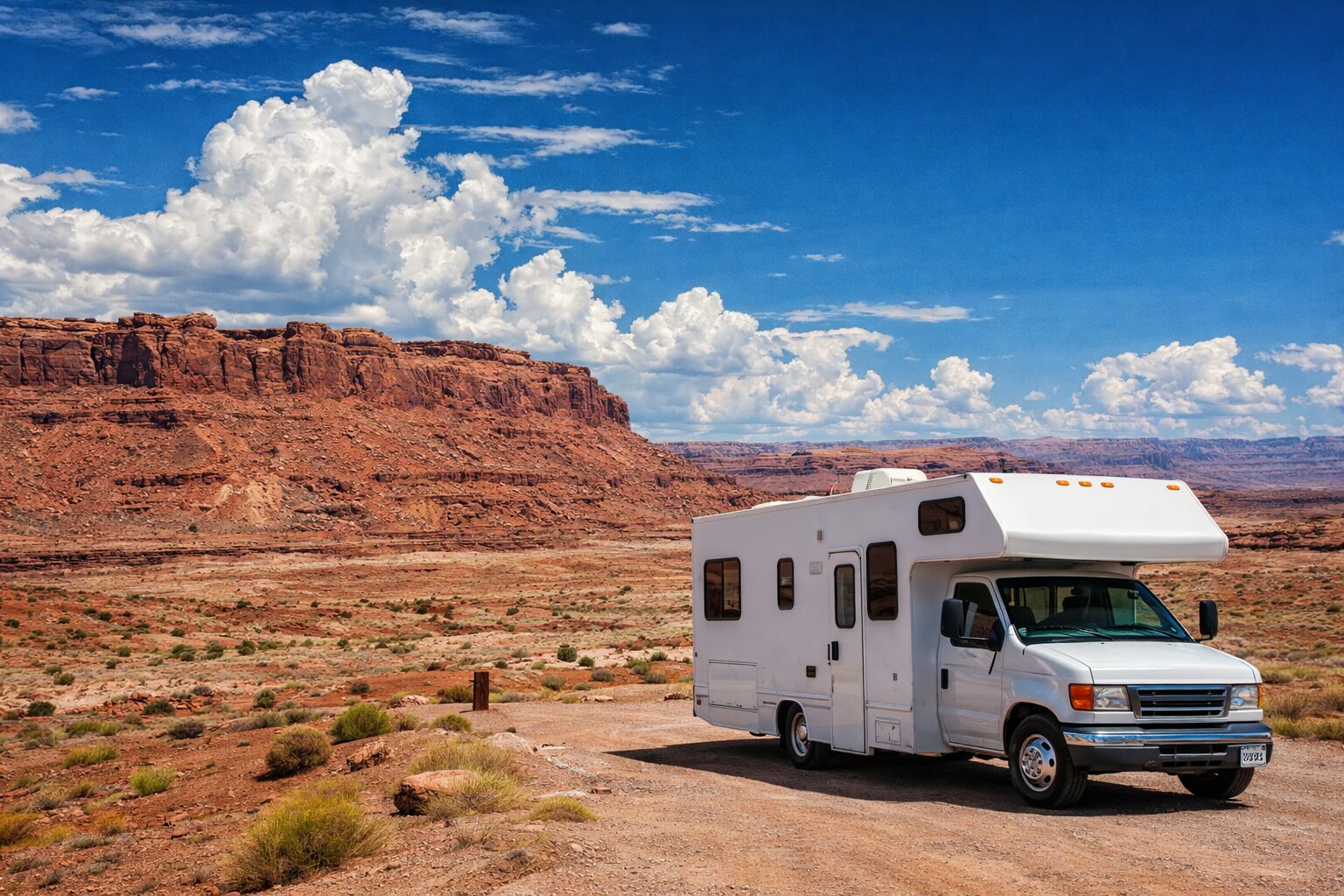
Understanding RV Campgrounds and Booking
RV campgrounds are your home away from home, offering spots tailored to mobile living. They’re more than just parking lots. They often include perks like picnic areas, hiking trails, and community vibes.
Types of sites:
- Primitive Sites: Basic and budget-friendly, with no hookups. Great for boondocking (dry camping), but you’ll rely on your RV’s tanks and batteries. Facilities might be limited to pit toilets.
- Partial Hookups: Usually water and electric, no sewer. Fill up on fresh water and use dump stations for waste. Ideal for shorter stays.
- Full Hookups: The luxury option with water, electric, sewer, and sometimes cable/Wi-Fi. Perfect for extended trips where you want all amenities running.
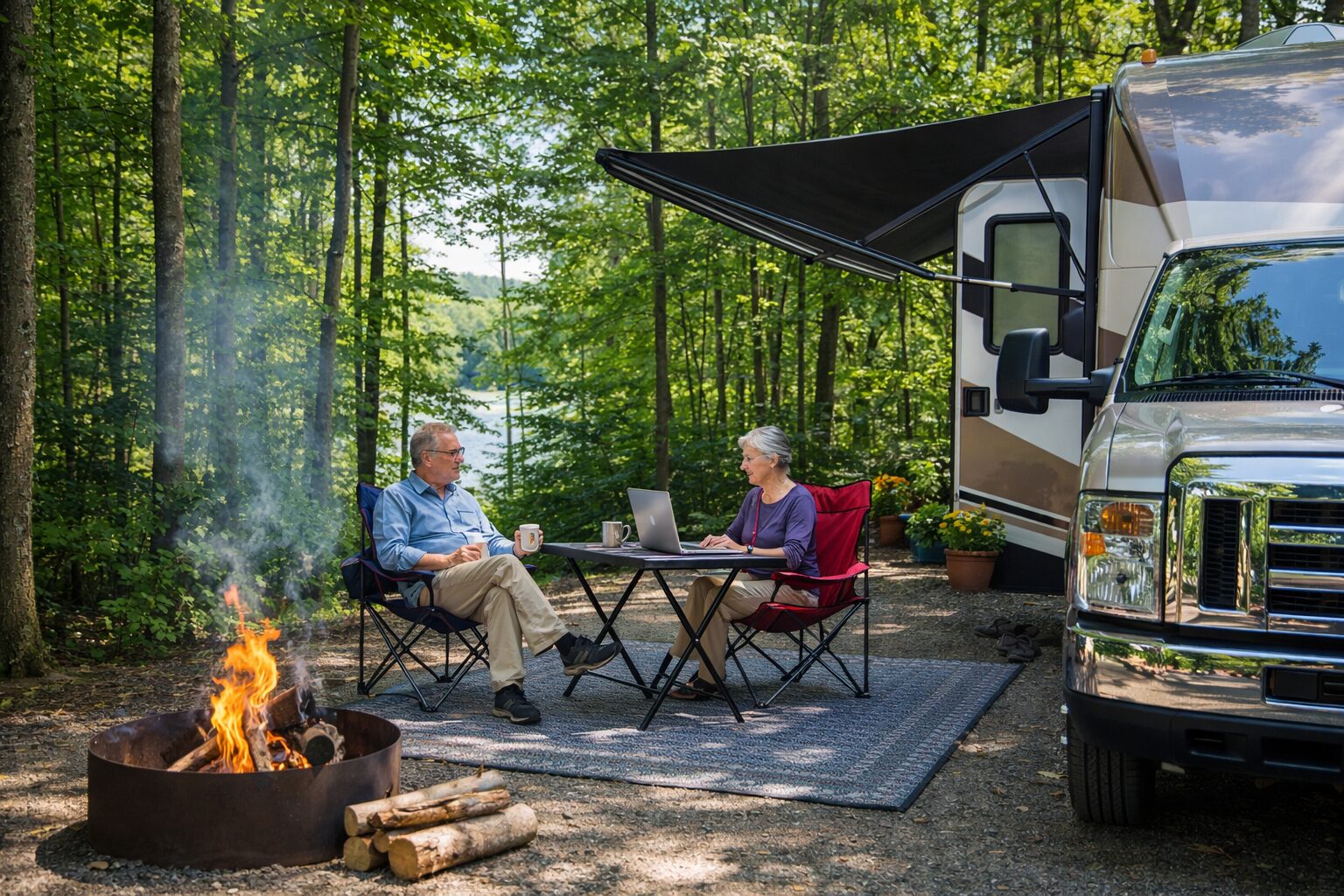
When booking, measure your RV (including slides and awnings) to ensure it fits. Sites list max lengths. Opt for pull-through spots if backing in scares you. Use apps or websites to reserve in advance, especially during peak seasons. Look for extras like laundry, pools, or pet areas.
Pro tip: Read reviews for site specifics, like shade or noise levels. National parks and state campgrounds offer stunning locations, while private ones might have more facilities. Always check park rules, like quiet hours or fire restrictions. For gear to enhance your campsite setup, such as outdoor mats or lighting, visit our catalog.
Packing Essentials for Your RV Adventure
Packing for an RV trip is like outfitting a tiny home on wheels. Focus on multi-use items to save space. Check if your rental includes basics; if not, stock up.
Checkout the Layers For Life checklist
Categorize your list:
- Bedding and Linens: Sheets, blankets, pillows, and sleeping bags for varying weather. Consider moisture-wicking options for humid areas.
- Bathroom Essentials: Towels, washcloths, toilet paper (RV-safe to avoid clogs), shampoo, and a portable shower caddy.
- Kitchen Gear: Pots, pans, utensils, plates, cups, and gadgets like a coffee maker or blender. Don’t forget spices, trash bags, and eco-friendly cleaners.
- Cleaning Supplies: Broom, dustpan, disinfectants, and sponges to keep things tidy.
- Outdoor Items: Folding chairs, a table, lanterns, and bug spray for campfire hangs.
- Tools and Safety: Flashlights, a first-aid kit, tire pressure gauge, extension cords, and wheel chocks.
- Personal Touches: Games, books, or tech chargers for downtime.
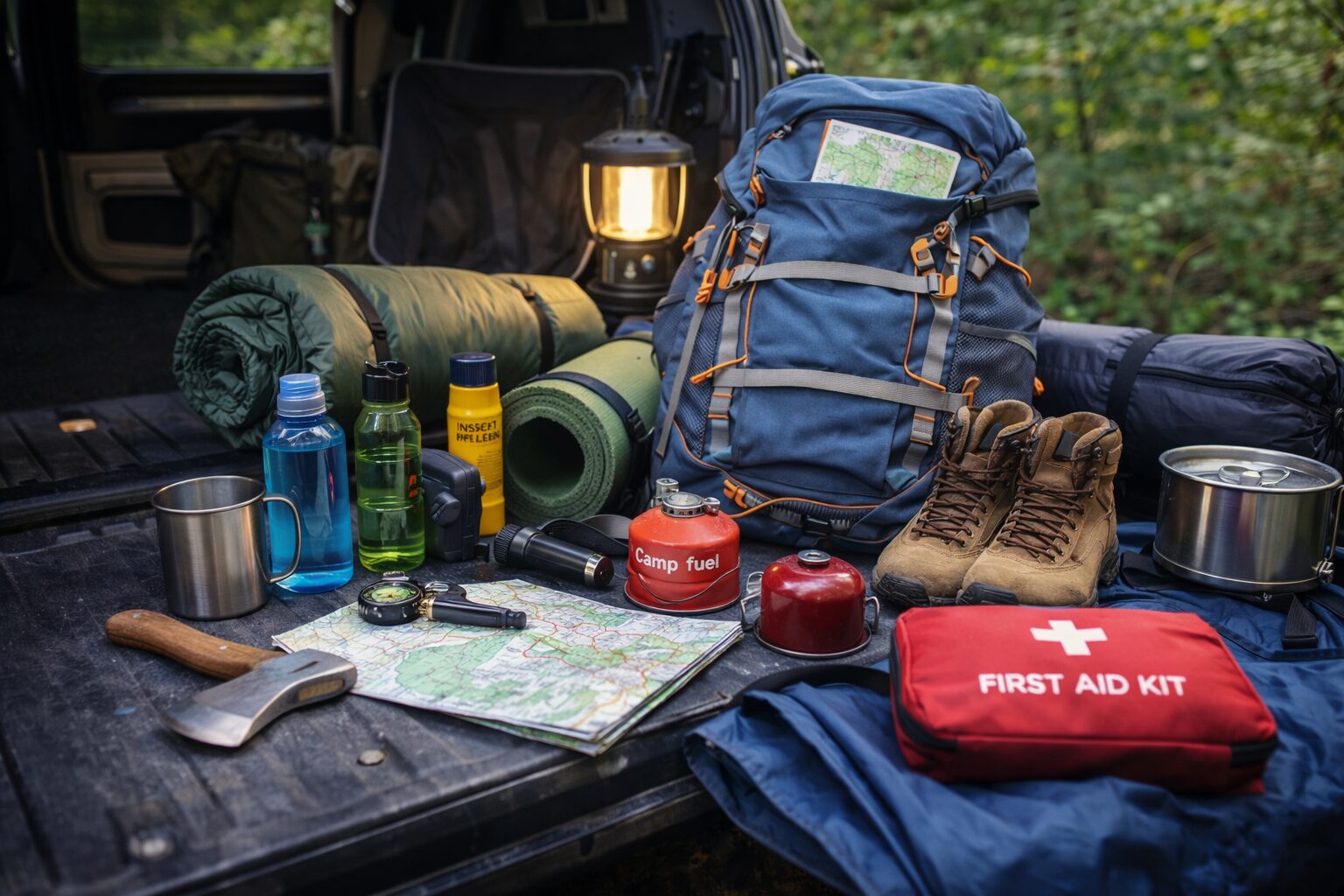
If camping in cold spots, pack a portable heater. For towing a car? Bring your own tow bar if needed. To organize all this efficiently, grab storage solutions from our catalog. Their camper accessories are designed for space-saving bliss.
Planning Your First RV Trip
A great RV adventure starts with solid planning. Map out your route using apps like Google Maps or RV-specific ones that account for height restrictions and propane stops.
Budget wisely: Factor in fuel (RVs guzzle gas), campsite fees ($20–$100/night), food, and attractions. Aim for 200–300 miles per day to avoid fatigue.
Seasonal tips: Summer means crowds, so book early; fall offers fewer bugs and beautiful foliage. Research the weather and pack accordingly.
Build an itinerary with flexibility. Include must-sees like national parks, but leave room for spontaneous detours. Join RV communities online for advice from fellow travelers.
Safety and Maintenance Tips for RV Newbies
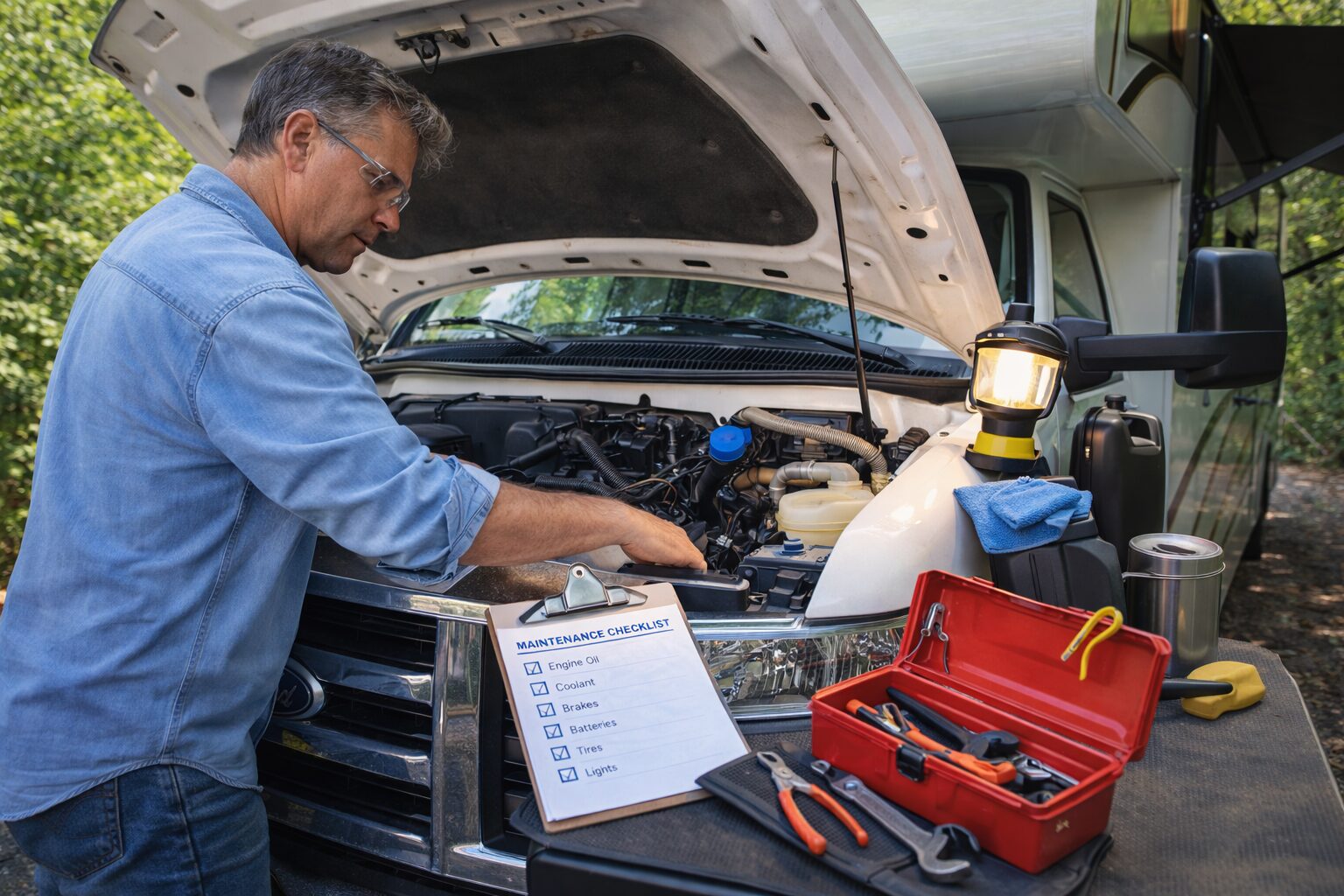
Safety is non-negotiable. Always secure loose items before driving to prevent shifts. Monitor tire pressure and weight distribution. Overloading can cause accidents.
Maintenance basics: Regularly check oil, coolant, and propane levels. Learn to winterize if storing in cold climates.
Emergency prep: Carry a toolkit, spare tire, and know your insurance coverage. Install carbon monoxide detectors and practice fire safety.
Eco-friendly note: Use biodegradable products and follow Leave No Trace principles to protect the outdoors.
Common Beginner Mistakes to Avoid
- Overpacking: RVs have limited storage. Prioritize essentials.
- Ignoring Weight Limits: Exceeding GVWR (Gross Vehicle Weight Rating) and risk breakdowns.
- Skipping Practice: Test drive and set up before your trip.
- Forgetting Reservations: Popular spots fill up fast.
- Neglecting Tanks: Dump regularly to avoid odors and overflows.
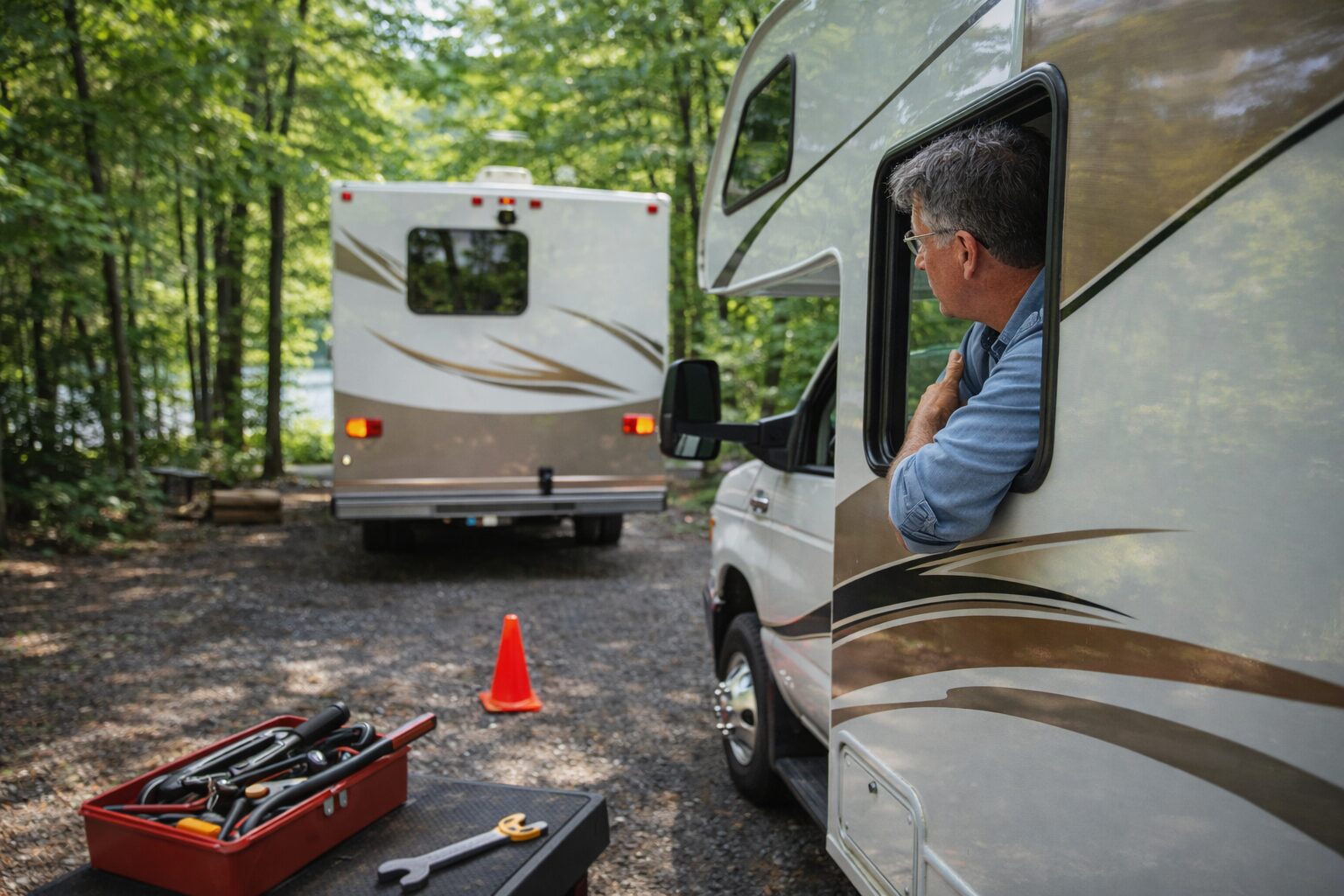
- Backing up the camper in public – JK
Ready to Hit the Road?
You’ve got the blueprint. Now it’s time to turn those RV dreams into reality! Start small, learn as you go, and embrace the journey. For top-notch accessories to elevate your setup, head over to our catalog. Happy camping, newbie explorers! Safe travels and unforgettable memories await.